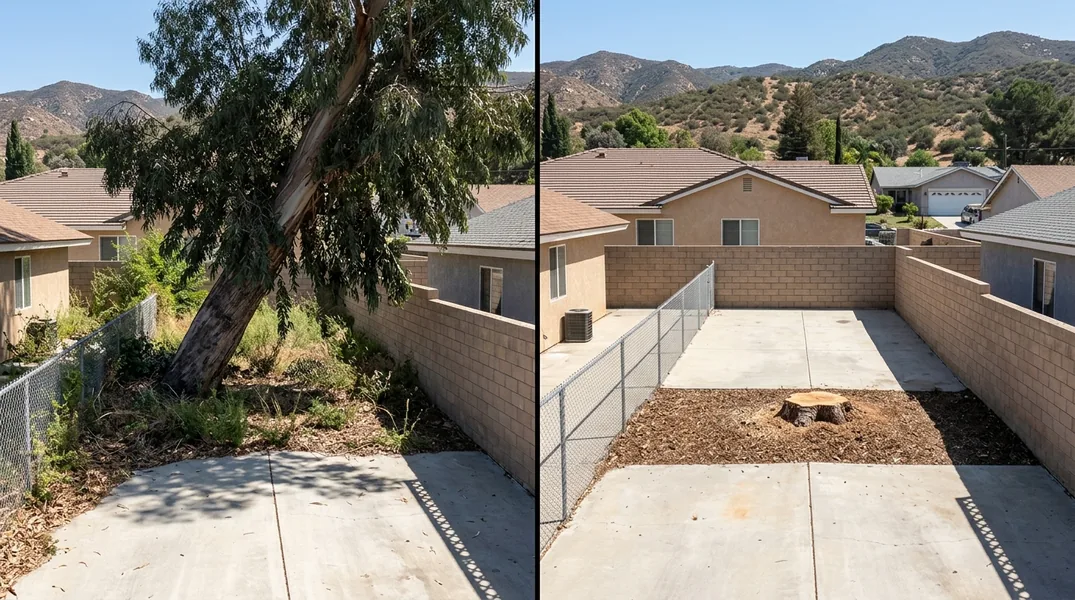
Understanding Riverside Tree Removal Permits
If you own property in Riverside, you may be surprised to learn that simply cutting down a tree on your own land isn't always as straightforward as it sounds. The city and Riverside County have established regulations designed to protect the urban forest and maintain property values across the region. Before you hire someone to remove that dead oak or overgrown pine, understanding the permit requirements can save you time, money, and potential legal headaches.
A Tree Removal permit is essentially permission from your local government to legally remove a tree from your property. The permit process ensures that trees being removed are actually dead, diseased, or pose a genuine safety risk, rather than being cut down simply because a homeowner finds them inconvenient. Riverside's tree ordinance reflects a commitment to environmental sustainability and community aesthetics. Failing to obtain the proper permits can result in fines, required replanting, or even legal action from the city.
What Does the Riverside Tree Ordinance Cover?
The Riverside tree ordinance applies to most trees on residential and commercial properties throughout the city. Generally, any tree with a trunk diameter of six inches or larger at breast height (DBH) falls under the ordinance's protection. This means you cannot legally remove such trees without first obtaining approval from the city. The ordinance is designed to preserve mature trees that contribute to the community's canopy, reduce urban heat, improve air quality, and enhance neighborhood character.
There are some exceptions to the permit requirement. Trees that are clearly dead, diseased beyond recovery, or pose an immediate safety threat may qualify for expedited removal or emergency provisions. However, even in these cases, documentation is typically required. Trees located in certain commercial zones or those designated as invasive species may also have different rules. The best approach is to contact the city's planning or public works department directly, or work with a professional like Riverside Tree Service to determine whether your specific situation requires a permit. When in doubt, it's always safer to assume a permit is needed rather than risk the penalties associated with unpermitted removal.
When You Need an Arborist Report for Tree Removal in Riverside
One of the most important requirements in the permit process is the Riverside arborist report. If you're applying for a tree removal permit, the city often requires documentation from a certified arborist explaining why the tree should be removed. An arborist report is a professional assessment that details the tree's health status, structural integrity, and any disease or pest issues present. This report serves as evidence that removal is justified and not simply a matter of preference.
A certified arborist will examine the tree in detail, looking for signs of decline such as dead branches, fungal growth, pest damage, or structural defects that compromise safety. The report must be thorough and credible, which is why the city typically requires it to come from a professional certified by the International Society of Arboriculture (ISA) or a similar recognized body. Riverside Tree Service can connect you with qualified arborists who understand local requirements and can prepare documentation that meets the city's standards. Having a professional Tree Removal company handle this step streamlines the entire permit process and increases the likelihood of approval.
Riverside County Tree Removal Rules and Regional Variations
It's important to understand that Riverside County regulations may differ from city regulations within Riverside itself. If your property is in an unincorporated area of the county, you'll need to follow county guidelines rather than city ordinances. The county's approach may be somewhat less restrictive than the city's, but permits are still often required for trees above a certain size threshold. Additionally, if your property is near sensitive habitats, wetlands, or areas protected under environmental regulations, additional restrictions may apply.
Some neighboring communities like Corona and Moreno Valley have their own tree ordinances that differ from Riverside's rules. Before proceeding with any removal, verify which jurisdiction governs your property. This is where working with an experienced local company becomes invaluable. Riverside Tree Service understands the nuances of regional regulations and can guide you through the correct process for your specific location. Attempting to navigate these rules alone often leads to costly mistakes or delays.
The Tree Removal Permit Application Process in Riverside
Applying for a tree removal permit in Riverside typically involves submitting an application to the city's planning department or public works division. You'll need to provide basic information about your property, a description of the tree, and your reason for requesting removal. If the tree is dead or diseased, you'll need to submit the arborist report we discussed earlier. The application may also require a site plan showing the tree's location on your property and photographs documenting the tree's condition.
Processing times vary, but most applications are reviewed within two to four weeks. The city may approve your request, deny it, or ask for additional information. Once approved, you'll receive a permit that authorizes removal within a specified timeframe, usually 30 to 90 days. Some permits may include conditions, such as requiring replacement planting or limiting the removal to a certain season to protect nesting birds. After removal is complete, you may need to submit proof of completion to close out the permit. This entire process can feel overwhelming, which is why getting a free estimate from Riverside Tree Service is a smart first step. Our team can handle the paperwork and coordinate with city officials on your behalf.
Common Reasons for Permit Denial and How to Avoid Them
Understanding why permits are sometimes denied can help you avoid the frustration of rejection. The most common reason is insufficient documentation of the tree's health problems. If your arborist report doesn't clearly establish that the tree is dead, diseased, or hazardous, the city may deny the permit. Another frequent issue is applying to remove a heritage tree or a specimen that the city has designated as significant to the community. Tree Trimming & Pruning might be approved as an alternative when full removal is denied, allowing you to address the problem while preserving the tree.
Timing matters too. Applying during bird nesting season (typically spring and early summer) may result in delays or seasonal restrictions. Environmental concerns, such as proximity to protected habitats or sensitive species, can also lead to denial. The best way to avoid these pitfalls is to work with professionals who understand Riverside's specific requirements. Riverside Tree Service has successfully navigated countless permit applications and knows exactly what documentation the city needs to see. If your initial application is denied, we can help you understand the reasons and explore alternative solutions that may be acceptable to the city. Call us at (951) 783-3075 to discuss your situation and learn how we can help.
Looking for a professional tree service in Riverside? Riverside Tree Service responds fast for all your tree service needs.
Get a Free QuoteOur services: Tree Removal · Tree Trimming & Pruning · Stump Grinding